Low Libido in Men - Online Treatment, Real Diagnosis, Complete Privacy

UnTaboo connects you with certified sexual health doctors via confidential, encrypted video consultation — from home, at a time that suits you. We identify the hormonal, psychological, and lifestyle causes of low sex drive and build a personalised multi-dimensional treatment plan that goes beyond a simple testosterone injection.

Medically reviewed by Dr. Vanshikha Arora, MBBS — Co-founder & CMO, UnTaboo · Last reviewed: June 2026

Take the Free Sexual Health Self-Assessment →

What Is Low Libido in Men?

Low libido in men — clinically referred to as Male Hypoactive Sexual Desire Disorder (HSDD) — is a persistent, distressing reduction in sexual desire. It is not an occasional lack of interest, which is entirely normal, but a sustained pattern of reduced desire the man cannot attribute to a situational cause. HSDD affects approximately 15–25% of Indian men at some point in their adult lives and is one of the most successfully treated male sexual health conditions.

Low libido is not the same as erectile dysfunction, although the two conditions frequently co-occur. A man with low libido may achieve a firm erection but have little or no motivation to engage in sexual activity. HSDD is defined by the personal distress it causes — not by comparison to a partner's sex drive.

Low libido in men has multiple possible causes — hormonal, psychological, relational, and lifestyle-related — and the most effective treatment depends entirely on identifying which is driving it. A generic testosterone supplement cannot address what it has not diagnosed.

How Common Is Low Libido in Men?

Research suggests that approximately 15–25% of adult men experience clinically significant low sexual desire at some point in their lives.

Causes of Low Libido in Men

Low libido rarely has a single cause. In most men it results from an interaction between hormonal, psychological, and lifestyle factors — which is precisely why supplementing testosterone without a diagnosis fails so consistently.

Hormonal Causes

Low testosterone (hypogonadism) — primary or secondary — is the most clinically significant hormonal driver. Hyperprolactinaemia, thyroid dysfunction, high SHBG, and elevated oestradiol (via aromatase in adipose tissue) are all distinct, treatable hormonal causes of reduced sexual desire.

Psychological Causes

Chronic stress elevates cortisol, suppressing GnRH and testosterone production. Depression reduces dopamine activity, removing anticipatory reward from sexual interest. Anxiety disorders maintain sympathetic dominance — incompatible with sexual arousal. Relationship dissatisfaction and past sexual trauma are powerful, non-hormonal suppressors of desire.

Medication-Induced

SSRIs (Sertraline, Fluoxetine, Paroxetine, Escitalopram) elevate serotonin, which inhibits dopaminergic reward pathways — reliably suppressing sexual desire. Beta-blockers, opioids, antipsychotics (Risperidone), and Finasteride all independently reduce libido through distinct mechanisms. Medication review is a critical first diagnostic step.

Lifestyle & Physical

Obesity activates the aromatase enzyme, converting testosterone to oestradiol. Sleep deprivation suppresses nocturnal testosterone synthesis — one week at 5 hours reduces testosterone by 10–15%. Obstructive sleep apnoea, sedentary lifestyle, chronic alcohol use, and conditions like Type 2 diabetes and cardiovascular disease each independently reduce testosterone and libido.

Why do antidepressants cause low libido? SSRIs increase serotonin availability in the brain. Serotonin inhibits dopamine — the neurotransmitter most directly responsible for sexual desire and anticipatory reward — producing reliable suppression of libido that persists even after mood improves. This is a treatable condition: Bupropion, dose adjustment, or switching agents are all clinical options your UnTaboo doctor can review.

Low Libido vs Low Testosterone — What Is the Difference?

Low libido and low testosterone are related but distinct conditions. Low testosterone (hypogonadism) is one of several possible causes of low libido — but many men with HSDD have entirely normal testosterone levels and are experiencing a psychological, relational, or medication-induced cause. Treating low libido as if it were always low testosterone will fail whenever the true cause is something else.

 Low Libido (HSDD)Low Testosterone (Hypogonadism)
DefinitionPersistent reduction in sexual desire causing distressInsufficient testosterone production by the testes
Primary symptomReduced interest in sexual activityFatigue, mood changes, muscle loss, reduced libido
DiagnosisClinical history, psychological assessment, hormone panelTotal testosterone, free testosterone, LH, FSH, SHBG blood tests
May have normal testosterone?Yes — many men with HSDD doBy definition, no
Primary treatmentDepends on cause: therapy, lifestyle, medication, TRT if indicatedTRT, Clomiphene Citrate, or HCG protocol

Definition

Low Libido (HSDD)
Persistent reduction in sexual desire causing distress
Low Testosterone (Hypogonadism)
Insufficient testosterone production by the testes

Primary symptom

Low Libido (HSDD)
Reduced interest in sexual activity
Low Testosterone (Hypogonadism)
Fatigue, mood changes, muscle loss, reduced libido

Diagnosis

Low Libido (HSDD)
Clinical history, psychological assessment, hormone panel
Low Testosterone (Hypogonadism)
Total testosterone, free testosterone, LH, FSH, SHBG blood tests

May have normal testosterone?

Low Libido (HSDD)
Yes — many men with HSDD do
Low Testosterone (Hypogonadism)
By definition, no

Primary treatment

Low Libido (HSDD)
Depends on cause: therapy, lifestyle, medication, TRT if indicated
Low Testosterone (Hypogonadism)
TRT, Clomiphene Citrate, or HCG protocol

Symptoms of Low Libido — When to Consult a Doctor

  • Persistent reduction in sexual desire — not explained by situational stress or tiredness
  • Absence of sexual thoughts, fantasies, or spontaneous arousal
  • Avoidance of sexual intimacy with your partner
  • Fatigue, reduced muscle mass, or increased abdominal fat alongside low desire (hormonal cause likely)
  • Breast tissue enlargement (gynaecomastia) — associated with elevated oestradiol
  • Reduced or absent morning erections — a key indicator of testosterone status
  • You have been told your testosterone is "normal" but still experience low desire — total testosterone does not rule out low free testosterone or a non-hormonal cause
  • Supplements (ashwagandha, zinc, testosterone boosters) have not produced sustained improvement

Important: Low libido caused by a hormonal deficiency will not resolve spontaneously. When the cause is psychological, avoidance of sexual intimacy typically deepens relational consequences over time. Earlier intervention consistently produces better and faster outcomes.

How Is Male Low Libido Diagnosed at UnTaboo?

A detailed online, at-home consultation with a trained Sexual Medicine Specialist and a registered Medical Practitioner with the National Medical Council (NMC) is followed by a personalised, multidimensional treatment including medicines (if clinically indicated), lab tests, supplements, therapy, lifestyle modifications and dietary changes.

Accurate diagnosis is the most critical step in treating low libido effectively — because the treatment for stress-driven low libido is completely different from the treatment for low testosterone, which is different again from medication-induced low libido. Prescribing testosterone to a man with SSRI-induced desire loss or relationship conflict produces no meaningful improvement.

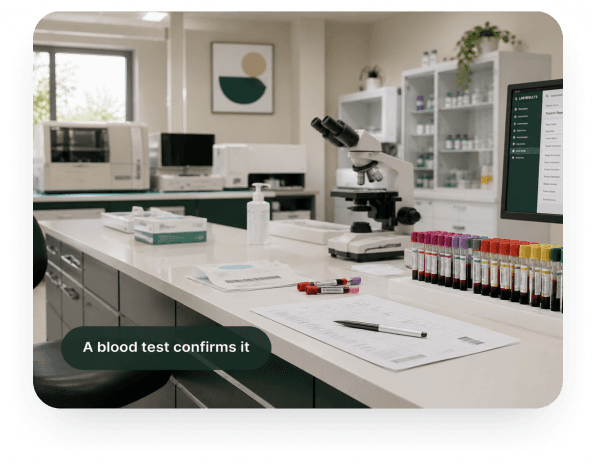
The standard low libido diagnostic panel includes: Total testosterone · Free testosterone · LH & FSH (to distinguish primary from secondary hypogonadism) · SHBG · Prolactin · TSH, Free T3 & T4 · Oestradiol (E2) · Fasting glucose & HbA1c · Full blood count & liver function.

Low Libido Treatment — UnTaboo's Multimodal Approach

Effective treatment requires addressing the specific cause — not prescribing testosterone to every man who reports reduced desire. UnTaboo builds personalised plans combining pharmacological, psychological, and lifestyle modalities.

ModalityBest ForEvidence & Timeline
Testosterone Replacement Therapy (TRT)Confirmed low testosterone (primary or secondary hypogonadism)Strong RCT evidence; improvement in 4–8 weeks
Clomiphene CitrateSecondary hypogonadism; fertility preservation in men under 40Good evidence; testosterone rise in 4–6 weeks
BupropionSSRI-induced low libidoSignificant improvement vs placebo; 2–4 weeks
Psychosexual Therapy (CBT / ACT)Stress-, depression-, relationship-driven low libido70–80% improvement in psychological cases; 6–12 weeks
Cabergoline / BromocriptineHyperprolactinaemia confirmed on bloodsProlactin normalised in 4–8 weeks; libido follows
Lifestyle InterventionObesity-, sleep-, alcohol-driven low libidoMeasurable testosterone improvement in 8–12 weeks
Modality
Testosterone Replacement Therapy (TRT)
Best For
Confirmed low testosterone (primary or secondary hypogonadism)
Evidence & Timeline
Strong RCT evidence; improvement in 4–8 weeks
Modality
Clomiphene Citrate
Best For
Secondary hypogonadism; fertility preservation in men under 40
Evidence & Timeline
Good evidence; testosterone rise in 4–6 weeks
Modality
Bupropion
Best For
SSRI-induced low libido
Evidence & Timeline
Significant improvement vs placebo; 2–4 weeks
Modality
Psychosexual Therapy (CBT / ACT)
Best For
Stress-, depression-, relationship-driven low libido
Evidence & Timeline
70–80% improvement in psychological cases; 6–12 weeks
Modality
Cabergoline / Bromocriptine
Best For
Hyperprolactinaemia confirmed on bloods
Evidence & Timeline
Prolactin normalised in 4–8 weeks; libido follows
Modality
Lifestyle Intervention
Best For
Obesity-, sleep-, alcohol-driven low libido
Evidence & Timeline
Measurable testosterone improvement in 8–12 weeks

Why supplements alone fail: Zinc, Vitamin D, and Ashwagandha (KSM-66) can meaningfully complement clinical treatment where deficiency is confirmed — but they cannot replace a diagnosis. UnTaboo doctors prescribe supplements at clinically validated doses, not generic formulations, after testing confirms the deficiency they address.

Why Choose UnTaboo for Low Libido Treatment?

Diagnostic-First

We run a full diagnostic assessment — clinical interview, hormonal panel, psychological screening — before recommending any treatment. The cause determines the treatment.

Multimodal, Not a Single Supplement

We integrate medicines (where clinically indicated), psychosexual therapy, supplement support, lifestyle guidance, and couples sessions — because lasting recovery requires addressing all contributing causes.

Certified Sexual Health Specialists

Every UnTaboo doctor is a registered medical practitioner under the National Medical Council (NMC) of India with specialised training in sexual medicine and sexology.

100% Private & Encrypted

No physical space. No pharmacist who recognises you. No family member who notices a clinic appointment in your diary. Your consultation, tests, and treatment plan are all encrypted and online.

Founded on anti-quackery principles: UnTaboo's founders went undercover at sexual health clinics across India and documented practitioners selling lakh-rupee testosterone treatments to men who did not need them. Every treatment decision at UnTaboo is the direct clinical opposite of what they witnessed.

Ready to Understand and Treat Your Low Libido — Privately, From Home?

You do not need to explain yourself across a clinic desk. You do not need to accept "it's just stress" from a GP with 10 minutes. Thousands of Indian men are recovering their sexual desire through UnTaboo — with certified sexual health doctors, comprehensive hormonal testing, and personalised multimodal treatment plans.

Free Self-Assessment →

Low libido in men — clinically referred to as Male Hypoactive Sexual Desire Disorder (HSDD) — is a persistent, distressing reduction in sexual desire. It affects approximately 15–25% of Indian men and has multiple possible causes including hormonal, psychological, relational, and lifestyle factors.

Key Takeaways

  • Low libido is not the same as erectile dysfunction
  • Many men with HSDD have normal testosterone levels
  • SSRIs, stress, and sleep deprivation are common treatable causes
  • Accurate diagnosis with a hormonal panel is essential before treatment
  • UnTaboo offers confidential online diagnosis and multimodal treatment

How to Get Low Libido Treatment Online at UnTaboo

  1. Complete Your Confidential Questionnaire

    Answer a brief clinical questionnaire covering desire pattern, symptom timeline, medications, lifestyle, and relationship context. Seen only by your assigned doctor.

  2. Book a Private Video Consultation

    Choose a certified sexual health doctor and book an encrypted video call — no waiting room, no clinic.

  3. At-Home Blood Tests via Thyrocare (If Indicated)

    A Thyrocare-certified phlebotomist visits your home. Results are reviewed within 48 hours and incorporated into your treatment plan.

  4. Receive Your Personalised Multimodal Treatment Plan

    Your doctor builds a digital plan specific to your cause profile — medicines, therapy, supplements, lifestyle intervention, and couple's sessions.

  5. Ongoing Monitoring & Adjustments

    Hormonal levels and symptoms are tracked through the app. Your plan evolves with your recovery.

Low Libido vs Low Testosterone

 Low Libido (HSDD)Low Testosterone
DefinitionPersistent reduction in sexual desire causing distressInsufficient testosterone production by the testes
May have normal testosterone?Yes — many men with HSDD doBy definition, no
Primary treatmentDepends on cause: therapy, lifestyle, TRT if indicatedTRT, Clomiphene Citrate, or HCG

Definition

Low Libido (HSDD)
Persistent reduction in sexual desire causing distress
Low Testosterone
Insufficient testosterone production by the testes

May have normal testosterone?

Low Libido (HSDD)
Yes — many men with HSDD do
Low Testosterone
By definition, no

Primary treatment

Low Libido (HSDD)
Depends on cause: therapy, lifestyle, TRT if indicated
Low Testosterone
TRT, Clomiphene Citrate, or HCG
Medically reviewed by Dr. Vanshikha Arora·Last updated: 2026-06-01·Written by UnTaboo Medical Team

Frequently Asked Questions

What causes low libido in men?

Low libido in men is most commonly caused by low testosterone, chronic psychological stress, depression, relationship dissatisfaction, medication side effects (particularly SSRIs and antihypertensives), sleep deprivation, and obesity. Accurate diagnosis requires a clinical assessment and, in most cases, a hormonal blood panel — not a supplement.

Can low libido return to normal without medication?

Yes, in many cases. Low libido driven by psychological stress, poor sleep, obesity, or relationship conflict often improves significantly with therapy and lifestyle change. However, low libido caused by confirmed hormonal deficiency typically requires targeted medical treatment alongside lifestyle support.

Is low libido the same as low testosterone?

No. Low testosterone is one of several possible causes of low libido. Many men with low libido have normal testosterone levels and are experiencing a psychological, relational, or medication-induced cause. A proper assessment differentiates between these presentations.

Can I consult a doctor for low sex drive online in India?

Yes. UnTaboo is a licensed telemedicine platform where you can consult a certified sexual health doctor via secure, private video from anywhere in India — without a clinic visit at any stage.

Does testosterone therapy (TRT) increase sex drive?

TRT increases libido in men with confirmed testosterone deficiency. For men with normal testosterone, TRT does not reliably improve libido. At UnTaboo, testosterone is assessed via blood tests before TRT is considered.

Is it normal to have low sex drive at 30 or 35?

Low libido at 30–35 is more common than most men realise, but it is not simply normal ageing. Common causes include chronic work stress, sleep deprivation, depression, relationship stress, and subclinical testosterone decline in men with obesity or sedentary lifestyles. Each is a treatable condition.