1–2%
natural annual decline in testosterone after age 30

Confidential diagnosis, doctor consultation & care — entirely online
If you've been feeling constantly tired, noticing a drop in sex drive, struggling with mood changes, or gaining weight without explanation, low testosterone could be the underlying cause. unTaboo offers complete low testosterone treatment online — from a confidential video consultation with certified sexologists and endocrinologists, to lab testing and discreet medicine delivery, available across India.
1–2%
annual decline in testosterone after age 30
4
treatment options tailored to your hormone panel
100%
confidential, from consultation to delivery
Low testosterone in men, clinically termed male hypogonadism or androgen deficiency, occurs when the testes produce insufficient testosterone — the hormone responsible for libido, muscle mass, bone density, red blood cell production, mood regulation, and energy levels.
Testosterone naturally declines by roughly 1–2% per year after age 30, but the drop can be accelerated by obesity, chronic stress, poor sleep, diabetes, certain medications, or testicular conditions. When low testosterone levels fall below the clinical reference range and are accompanied by symptoms, it is classified as a treatable medical condition — not simply "part of ageing."
1–2%
natural annual decline in testosterone after age 30
6+
factors that can accelerate the decline, from obesity to poor sleep
Treatable
A recognised medical condition, not simply a symptom of ageing
Understanding the reasons for low testosterone helps determine the right treatment path, since the underlying cause — not just the hormone number — shapes the plan your doctor will recommend.
A natural 1–2% annual drop after age 30, which can become clinically significant over time.
Excess body fat converts testosterone into estrogen, accelerating the decline.
Persistently elevated cortisol suppresses testosterone production.
Testosterone is primarily produced during deep sleep; chronic sleep deprivation lowers levels.
Insulin resistance is closely linked to lower testosterone.
Opioids, some antidepressants, and long-term steroid use can suppress natural production.
Injury, infection, or conditions affecting testicular function directly reduce output.
Since testosterone production is regulated by signals from the brain (LH and FSH), disruptions here can also lower levels.
During your online testosterone consultation, our doctors assess physical, sexual, and psychological symptoms of low testosterone together, since low T rarely presents as a single isolated sign. These symptoms can also overlap with thyroid disorders, depression, or chronic illness, which is exactly why a confirmed diagnosis through blood testing — not symptoms alone — is the medically correct starting point for treatment.
| Category | Common Low Testosterone Symptoms |
|---|---|
| Sexual health | Low libido, erectile dysfunction, reduced morning erections, lower semen volume |
| Physical | Persistent fatigue, reduced muscle mass, increased body fat, reduced bone density |
| Psychological | Low mood, irritability, poor concentration, reduced motivation, brain fog |
| Other | Sleep disturbance, hot flashes (rare), reduced facial/body hair growth |
Many men wonder how to know if you have low testosterone before booking a consultation. While only a blood test can confirm the diagnosis, these are the signals worth paying attention to:
If several of these apply to you, especially in combination, it's a reasonable signal to get a testosterone panel done rather than self-diagnosing or waiting it out. Because these symptoms overlap significantly with thyroid issues, depression, and general stress, a blood test remains the only reliable way to know for certain.
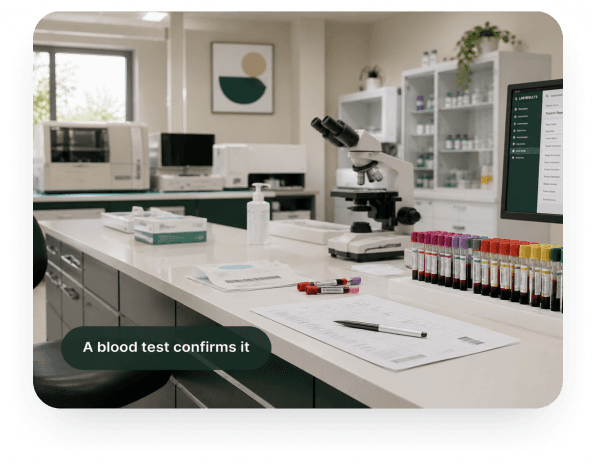 A blood test confirms it
Consult a certified sexologist or endocrinologist at a time that suits you.
Total Testosterone, Free Testosterone, LH, FSH, SHBG — through our NABL-accredited partner lab's home sample collection, or by sharing your existing reports.
Explained in plain language, along with a customised treatment plan, including TRT only where clinically indicated.
Prescription and medicines delivered to your home in discreet packaging, with scheduled follow-up consultations to monitor hormone levels and adjust treatment.
There is no single "best" treatment for everyone. The right option depends on your hormone panel, age, fertility goals, and overall health, which your doctor will assess directly.
| Treatment Option | How It's Administered | Best Suited For |
|---|---|---|
| Lifestyle & nutrition correction | Diet, sleep, exercise, weight management guidance | Mild/borderline low T, early-stage cases, metabolic causes |
| Testosterone gel | Daily topical application | Patients wanting steady levels, avoiding injections |
| Testosterone injections (TRT) | Administered every 1–12 weeks depending on formulation | Moderate to severe deficiency confirmed by labs |
| Combined hormonal management | TRT plus treatment of related conditions (e.g., ED, thyroid) | Patients with overlapping hormonal or sexual health issues |
No waiting rooms, no in-person visit required.
Care from verified sexologists, andrologists, and endocrinologists registered with the NMC.
Online doctor consultation accessible from any city or town.
Home sample collection through accredited partner labs.
Plain, unbranded packaging delivered to your door.
Dose monitoring and ongoing consultations — not a one-time prescription.
.png) Delivered discreetly to your door
Delivered discreetly to your doorTreatment cost varies based on the diagnostic workup and the plan prescribed — lifestyle management is generally lower cost than ongoing TRT, which includes recurring medication and monitoring. During your consultation, the doctor will walk you through consultation fees, lab test costs, and medicine pricing upfront, with no hidden charges added later.
Initial assessment, history review, treatment plan — first visit + scheduled follow-ups.
Total/Free Testosterone, LH, FSH, SHBG and related markers — baseline, then periodic monitoring.
Gel, injection, or oral therapy as applicable — ongoing, as per doctor's plan.
Don't let low testosterone symptoms quietly affect your confidence, relationships, or daily energy. Book a confidential online consultation now and receive a personalised, medically supervised low testosterone treatment plan — from diagnosis to delivery, entirely online.

Consult a certified sexologist or endocrinologist at a time that suits you.
Home sample collection through NABL-accredited partner labs, or share existing reports.
Including TRT only where clinically indicated, explained in plain language.
Prescriptions delivered in plain packaging with scheduled monitoring consultations.
Low testosterone, or male hypogonadism, occurs when the testes produce insufficient testosterone — the hormone responsible for libido, muscle mass, bone density, mood regulation, and energy levels.