1 in 4
women experience FOD at some point — common, under-discussed, and treatable

Female Orgasmic Disorder Treatment
Talk to a licensed sexual health specialist from home. Get a personalized treatment plan for anorgasmia without the wait, the awkwardness, or the in-person visit.
1 in 4
women affected at some point in life
Treatable
Evidence-based therapy & medical care
100% Private
Encrypted online consultations
Female Orgasmic Disorder (FOD) — also called anorgasmia — is the persistent absence, delay, or marked reduction in the intensity of orgasm despite adequate sexual stimulation and arousal. It's one of the most common forms of female sexual dysfunction, affecting up to 1 in 4 women at some point in their life, yet it remains one of the least talked about.
Female Orgasmic Disorder is a recognized medical condition under the DSM-5-TR diagnostic criteria, defined by a persistent or recurrent delay in, or absence of, orgasm following a normal sexual excitement phase — occurring in at least 75% of sexual encounters for six months or longer, and causing personal distress.
At unTaboo, you don't need to sit in a waiting room or explain your symptoms to a receptionist. Our online telemedicine platform connects you directly with licensed sexual health doctors and certified sex therapists who specialize in female orgasmic disorder treatment — from the privacy of your phone or laptop.
1 in 4
women experience FOD at some point — common, under-discussed, and treatable
DSM-5
Persistent delay or absence of orgasm in ≥75% of encounters for 6+ months with distress
Anorgasmia
Also called anorgasmia — never had orgasm, lost it, or only struggle in some situations
Whether you've never been able to reach orgasm, have lost the ability you once had, or only struggle in certain situations, specialists build a plan around your body, history, and goals.
You have never experienced an orgasm, with any partner or stimulation.
You previously experienced orgasms but can no longer reach them.
You can orgasm in some situations (e.g., masturbation) but not others (e.g., intercourse).
You cannot orgasm under any circumstances or with any type of stimulation.
Female orgasmic disorder rarely has a single cause. Our online doctors evaluate the full picture, including physical, psychological, and situational factors.
Low testosterone or estrogen levels; menopause and perimenopause-related hormonal shifts; nerve damage or reduced clitoral sensitivity; certain medications — particularly SSRIs, antidepressants, and blood pressure medications; chronic illness, diabetes, or vascular conditions affecting blood flow.
Anxiety, depression, or chronic stress; body image concerns or low self-esteem; history of sexual trauma or past negative sexual experiences; cultural, religious, or upbringing-related inhibitions; relationship conflict or lack of emotional intimacy with a partner.
Inadequate or non-personalized sexual stimulation; performance anxiety or pressure to "achieve" orgasm; lack of communication with a partner about needs and preferences.
If several of these feel familiar and keep recurring, you are not alone — and effective, evidence-based treatment is available online.
From confidential intake to ongoing follow-up — all online, with licensed specialists.
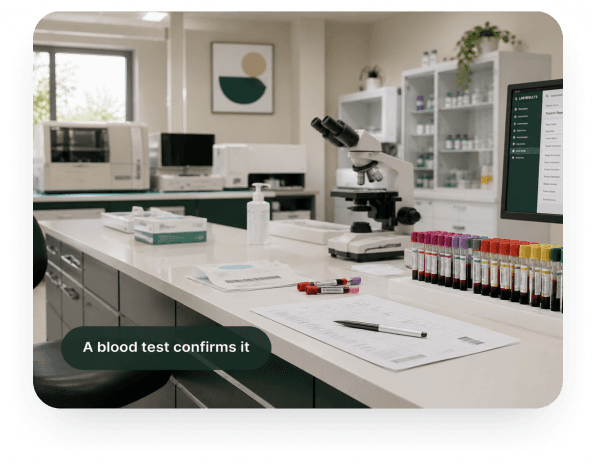 Private care, from home
Complete a brief, secure intake questionnaire about your symptoms, medical history, and sexual health goals. No clinic visit, no front-desk conversation.
Connect with a licensed sexual health doctor or certified sex therapist via secure video call or asynchronous messaging — whichever feels more comfortable for you.
Your specialist will recommend a treatment approach based on your specific type of anorgasmia, including therapy techniques, hormone evaluation, and/or prescription options where appropriate.
Track your progress with follow-up consultations, plan adjustments, and continuous access to your care team — all online.

Plans are built around your specific type of anorgasmia — therapy, hormones, medication review, couples work, and physical guidance as needed.
Evidence-based talk therapy remains the most well-supported treatment for FOD. Our therapists use cognitive behavioral therapy (CBT), sensate focus exercises, and directed masturbation techniques — clinically validated approaches shown to help women learn what stimulation patterns work best for their bodies.
For women whose anorgasmia is linked to hormonal imbalance — particularly low testosterone or estrogen related to menopause — our doctors can evaluate hormone levels and discuss hormone therapy options as part of a broader treatment plan.
If your difficulty reaching orgasm started after beginning a new medication (such as an SSRI antidepressant), our doctors can review your prescriptions and discuss alternatives with your treatment team.
Because intimacy involves communication, we offer sessions that include partners — focusing on communication strategies, mutual understanding, and rebuilding connection.
For situational or physical causes, our specialists can guide you toward pelvic floor exercises, stimulation techniques, and referrals for physical evaluation when needed.
Discreet, judgment-free care — no one at home or work needs to know.
Board-certified doctors and certified sex therapists experienced in female sexual dysfunction.
Consult from your phone, tablet, or laptop — anywhere, anytime.
Every treatment plan is built around your specific symptoms and history.
Continuous follow-up, not a one-time appointment.
Treatment grounded in current clinical guidelines, not guesswork.
You don't need to keep wondering if something is wrong with you, or feel embarrassed bringing this up with a doctor in person. Female orgasmic disorder is common, well-understood, and treatable — and help is one confidential online consultation away.
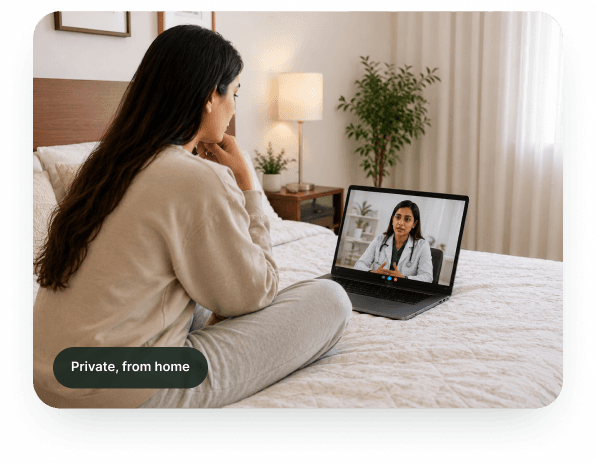
Complete a brief, secure intake questionnaire about your symptoms, medical history, and sexual health goals.
Connect with a licensed sexual health doctor or certified sex therapist via secure video call or messaging.
Your specialist recommends therapy techniques, hormone evaluation, and/or prescription options where appropriate.
Track your progress with follow-up consultations, plan adjustments, and continuous access to your care team.
The most consistently supported treatments for FOD are directed masturbation, sensate focus therapy, and psychosexual counseling. These approaches help women and couples understand the specific stimulation needed to reach orgasm. Hormone therapy may also help when a hormonal cause is identified.