8–13%
of women of reproductive age are affected by PCOS worldwide

Women's Hormonal Health
Irregular periods, acne, unexpected weight changes, or difficulty conceiving can be frustrating and overwhelming. The good news — with the right diagnosis and personalized care, PCOS can be effectively managed.
8–13%
of women of reproductive age affected worldwide
Certified
women's health specialists
100%
online, confidential care
A hormonal and metabolic disorder in which the ovaries produce higher-than-normal levels of androgens, disrupting the normal menstrual cycle and ovulation.
Polycystic Ovary Syndrome (PCOS) is one of the most common hormonal disorders affecting women of reproductive age. Despite its name, not every woman with PCOS develops ovarian cysts — it's primarily a hormonal and metabolic condition that affects multiple systems in the body, including reproductive health, metabolism, skin, and mental well-being.
Many women search online for "PCOS meaning" because symptoms often develop gradually and vary from person to person. Some experience irregular periods, while others struggle with acne, excess facial hair, infertility, or unexplained weight gain.
Without appropriate treatment, PCOS can increase the risk of type 2 diabetes, cardiovascular disease, infertility, and endometrial cancer. Early diagnosis and personalized care play a key role in managing symptoms and reducing long-term health risks.
8–13%
of women of reproductive age are affected by PCOS worldwide
15–40
most commonly diagnosed between these ages, though symptoms can begin soon after puberty
Manageable
With the right diagnosis and personalized care, symptoms can be effectively managed
PCOS is much more than a reproductive disorder — it affects several interconnected systems, leading to a wide range of physical and emotional symptoms.
Excess androgens interfere with normal egg development and release, contributing to irregular periods, acne, excessive hair growth, and hair thinning.
Many women with PCOS do not ovulate regularly, making menstrual cycles unpredictable and conception more difficult.
Cells respond less effectively to insulin, prompting higher insulin levels that further stimulate androgen production.
Periods may become irregular, delayed, very light, very heavy, or absent for several months at a time.
Less frequent ovulation can make pregnancy more challenging — though many women with PCOS conceive successfully with the right guidance.
Hormonal changes can cause persistent acne, oily skin, excess facial or body hair, and hair thinning or scalp hair loss.
Women with PCOS face a higher risk of anxiety, depression, low self-esteem, body image concerns, and chronic stress.
Symptoms vary significantly from woman to woman — some experience only mild irregularities, while others develop multiple hormonal and metabolic signs.
The earliest signs often begin during adolescence or early adulthood — many women notice symptoms long before receiving a formal diagnosis.
If several of these apply to you, especially in combination, it's worth speaking with a women's health specialist rather than waiting it out or self-diagnosing.
 Early recognition matters
PCOS develops from a combination of hormonal, genetic, metabolic, and lifestyle factors — understanding the underlying cause helps shape a truly personalized treatment plan.
Higher-than-normal androgen levels; insulin resistance raising androgen production; elevated insulin worsening acne and weight gain; disrupted or absent ovulation.
PCOS often runs in families. Multiple genes influence hormone regulation. Low-grade chronic inflammation can worsen insulin resistance.
Poor dietary habits, physical inactivity, inadequate sleep, and chronic stress. Excess body weight increases severity — even modest weight loss can help balance hormones.
Having one or more of these doesn't necessarily mean you have PCOS — but it may increase your chances of developing the condition.
The terms are often used interchangeably, but PCOS is generally considered a more complex endocrine disorder with greater long-term health implications.
| PCOD (Polycystic Ovarian Disease) | PCOS (Polycystic Ovary Syndrome) | |
|---|---|---|
| Nature | Ovarian condition | Hormonal & metabolic disorder |
| Ovulation | May occur irregularly | Frequently absent / disrupted |
| Hormonal imbalance | Mild to moderate | More pronounced |
| Fertility impact | Usually manageable | May need medical support |
| Long-term risk | Lower | Higher (diabetes, heart, endometrial) |
| Management | Lifestyle changes often suffice | Lifestyle + medical treatment |
Diagnosing PCOS involves more than identifying ovarian cysts — our specialists take a comprehensive approach before recommending a treatment plan.
A detailed, confidential medical assessment covering your menstrual history, symptoms, lifestyle, and reproductive goals.
A certified women's health specialist evaluates symptoms against diagnostic criteria, ruling out similar conditions.
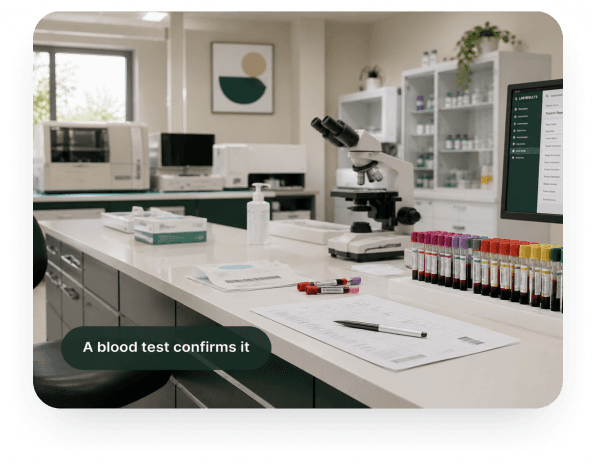
Hormone and metabolic panels when needed — testosterone, LH/FSH, thyroid, prolactin, blood sugar, HbA1c, lipid profile.
A pelvic ultrasound where needed, followed by a confirmed diagnosis and individualized treatment strategy.
There is no one-size-fits-all treatment for PCOS. Every plan is personalized based on your symptoms, medical history, age, and future pregnancy plans.
Healthy lifestyle modifications remain the foundation of PCOS management, improving menstrual regularity, hormonal balance, and insulin sensitivity.
For irregular periods or hormonal imbalance, doctors may prescribe medications to regulate cycles and reduce androgen-related symptoms.
Where insulin resistance contributes to PCOS, medication may be recommended alongside lifestyle changes to improve insulin response.
Women planning pregnancy may receive treatment to help stimulate ovulation and improve fertility under specialist guidance.
Options to help manage acne, excessive facial hair, and hair thinning caused by hormonal imbalance.
Guidance and referrals when anxiety, depression, or stress become part of living with PCOS.
Since PCOS is a long-term condition, regular follow-up helps monitor progress and adjust your plan over time.
Your doctor will match treatment to your priorities — whether that's regulating cycles, managing insulin resistance, improving fertility, or addressing skin and hair symptoms.
| Treatment | Best For | What You Get |
|---|---|---|
| Lifestyle Modification | All women with PCOS | Personalized health guidance and follow-up |
| Hormonal Therapy | Irregular periods & imbalance | Doctor-supervised treatment plans |
| Insulin Resistance Management | Prediabetes / insulin resistance | Individualized medication and monitoring |
| Fertility Support | Women trying to conceive | Ovulation-focused treatment and specialist guidance |
| Skin & Hair Management | Acne & excess hair growth | Personalized treatment recommendations |
| Ongoing Monitoring | Long-term symptom control | Regular consultations and treatment adjustments |
 Confidential specialist care
Medical treatment plays an important role, but long-term symptom control also depends on sustainable daily habits.
"How do I cure PCOS permanently?" There is currently no permanent cure for PCOS — it's a chronic hormonal condition that requires ongoing management rather than a one-time treatment. With the right combination of medical care, healthy habits, and regular monitoring, most women can successfully manage PCOS and lead healthy, fulfilling lives.
Without proper diagnosis and management, PCOS may increase the risk of several long-term health conditions.
Irregular or absent ovulation can make conception more difficult without early intervention.
Insulin resistance increases the likelihood of prediabetes and type 2 diabetes over time.
Increased hypertension risk, particularly when combined with obesity or insulin resistance.
Hormonal imbalance and metabolic changes can contribute to heart disease risk later in life.
Infrequent cycles can cause the uterine lining to build up, raising cancer risk if untreated.
Persistent symptoms can affect emotional well-being — anxiety, depression, and reduced confidence.
No two women experience PCOS the same way — plans are built around your symptoms, history, and goals.
Experienced doctors specializing in women's hormonal and reproductive health.
Expert medical advice from the comfort and privacy of your home.
Every consultation is completely private, so you can discuss sensitive concerns comfortably.
Recommendations based on current clinical guidelines, ensuring safe, effective management.
Regular monitoring and treatment adjustments as your health needs evolve.
You're not imagining your symptoms. PCOS is a real, well-documented hormonal and metabolic condition — not something to just push through on your own. Book a confidential consultation with a certified women's health specialist.

A detailed discussion about your menstrual history, symptoms, lifestyle, and reproductive goals.
A certified women's health specialist evaluates symptoms against diagnostic criteria, ruling out similar conditions.
Hormone and metabolic panels — testosterone, LH/FSH, thyroid, prolactin, blood sugar, HbA1c, lipid profile.
A pelvic ultrasound where needed, followed by a confirmed diagnosis and individualized treatment strategy.
Polycystic Ovary Syndrome (PCOS) is a common hormonal condition that affects women of reproductive age. It can cause irregular periods, hormonal imbalance, acne, excessive hair growth, weight gain, and fertility challenges. Early diagnosis and personalized treatment can help manage symptoms effectively.