Women's Menstrual Health

Menstrual Problems,Understood & Treated

Irregular cycles, unbearable cramps, unusually heavy bleeding, or periods that vanish for months — your body is signalling that something needs attention. Get a confidential diagnosis and a treatment plan built around your cycle.

Explore the Types
  • Certified gynaecologists
  • 100% online, from home
  • Cause-first treatment
The Basics

What are menstrual problems?

Any irregularity in the menstrual cycle that falls outside what's typical for an individual — timing, amount, duration of bleeding, or the level of pain experienced.

Menstrual Problems - Working Definition

This can include cycles that are too frequent, too far apart, unusually heavy, unusually light, or entirely absent — as well as debilitating pain that interferes with daily life.

It's worth noting that "normal" varies from person to person. A cycle is generally considered regular if it falls somewhere between 21 and 35 days, but consistency for your own body matters more than matching an exact textbook number.

Menstrual problems are common — but common doesn't mean you have to simply tolerate them. Most causes are very treatable once identified.

Know the Terms

Types of menstrual problems

A quick reference to the most common menstrual issues, what they involve, and their typical symptoms.

Dysmenorrhea

Painful periods

Severe cramping, lower back pain, and nausea around your period.

Menorrhagia

Heavy menstrual bleeding

Soaking through pads or tampons hourly, passing clots, prolonged bleeding.

Amenorrhea

Absence of periods

No periods for three or more consecutive cycles.

Oligomenorrhea

Infrequent periods

Cycles that consistently run longer than 35 days.

Polymenorrhea

Too frequent periods

Cycles that consistently run shorter than 21 days.

Metrorrhagia

Irregular bleeding between periods

Spotting or bleeding at unpredictable times in the cycle.

PMS

Premenstrual syndrome

Mood swings, bloating, breast tenderness, and fatigue before your period.

PMDD

Premenstrual dysphoric disorder

A severe form of PMS — intense mood disturbances, anxiety, depression.

Online consultation about menstrual cycle symptomsTrack the pattern, not just the pain
Signs to Notice

Symptoms of menstrual problems

If any of these are a regular part of your cycle — rather than an occasional occurrence — it's worth getting evaluated.

  • Periods lasting longer than seven days
  • Bleeding heavy enough to soak through protection every hour
  • Cramps so severe they interfere with daily activities
  • Cycles consistently shorter than 21 or longer than 35 days
  • Missing periods for three or more months without pregnancy
  • Bleeding or spotting between periods
  • Severe mood changes, fatigue, or discomfort before your period
  • Large blood clots during your period

21–35

days = a typical menstrual cycle

A cycle is generally considered regular within this range — but consistency for your own body matters more than hitting an exact number. Persistent or severe changes outside your own normal are what deserve medical attention.

Root Causes

What causes menstrual cycle problems?

Menstrual irregularities can stem from hormonal, structural, or lifestyle factors — often more than one at once.

Hormonal Causes

  • Polycystic Ovary Syndrome (PCOS)
  • Thyroid disorders (hypo- & hyperthyroidism)
  • Perimenopause
  • Hormonal contraceptives or recent changes

Structural & Medical

  • Uterine fibroids or polyps
  • Endometriosis or adenomyosis
  • Pelvic inflammatory disease (PID)
  • Bleeding disorders

Lifestyle & Other Factors

  • Significant weight loss or gain
  • High stress levels, excessive exercise
  • Poor nutrition
  • Certain medications, incl. blood thinners
Don't Ignore These

General warning signs to watch for

Symptoms vary by condition, but these broader signs suggest it's time for an evaluation.

  • Periods lasting longer than seven days
  • Soaking through protection every hour
  • Cramps severe enough to disrupt daily life
  • Cycles consistently under 21 or over 35 days
  • Missed periods for 3+ months (not pregnant)
  • Bleeding or spotting between periods
Personalized Care

Menstrual problems treatment

Treatment depends entirely on the underlying cause, so an accurate diagnosis always comes first.

Medication

Menstrual problems medicine

  • NSAIDs (e.g. ibuprofen) for dysmenorrhea pain relief
  • Hormonal birth control to regulate cycles & reduce bleeding
  • Tranexamic acid for heavy menstrual flow
  • Thyroid medication, if that's the underlying cause
  • Iron supplements for anaemia from heavy bleeding
Medical & Surgical

Treating the root condition

  • Treatment of underlying PCOS, fibroids, or endometriosis
  • Minimally invasive procedures for fibroids or polyps
  • Endometrial ablation in select severe cases
  • Surgery, reserved for non-responsive cases
Lifestyle Support

A solid supporting role

  • Balanced, iron-rich nutrition for heavy bleeders
  • Stress management through exercise & sleep
  • Cycle tracking to identify patterns
  • Maintaining a healthy, stable body weight
Everyday Support

Habits that support a healthier cycle

Lifestyle changes alone usually aren't enough for conditions like PCOS or fibroids, but they play a valuable supporting role alongside medical care.

  • Balanced, iron-rich diet
  • Stress management & relaxation practices
  • Tracking your cycle with an app or journal
  • Maintaining a healthy, stable body weight
  • Consistent sleep schedule
  • Staying consistent with prescribed treatment
Finding the Right Specialist

Doctor for menstrual problems — who should you see?

A gynaecologist is typically the right specialist to consult first. Depending on the suspected cause, they may refer you onward.

  • Gynaecologist

    Your first point of contact for any persistent menstrual cycle problem.

  • Endocrinologist

    If a hormonal or thyroid condition is suspected.

  • Haematologist

    If an underlying bleeding disorder is suspected.

  • Fertility Specialist

    If the issue is affecting your reproductive plans.
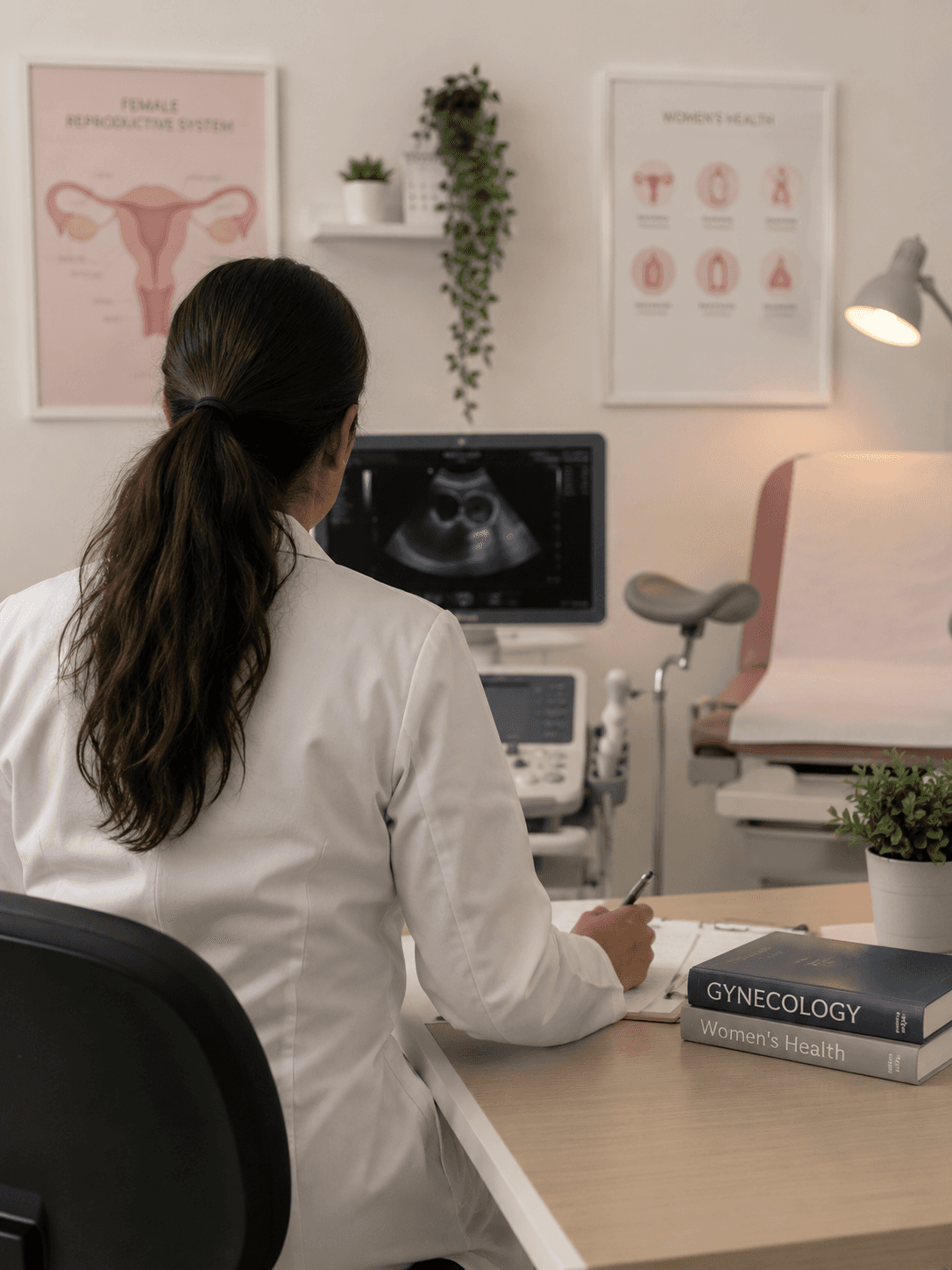
Consulting a certified gynaecologist online at unTaboo
When to Act

When should you see a doctor?

Menstrual problems are common, but common doesn't mean you have to simply tolerate them.

  • Periods that suddenly become much heavier, longer, or more painful than usual
  • Missed periods for three months or more (when not pregnant)
  • Bleeding between periods or after menopause
  • Pain that isn't relieved by over-the-counter medication
  • Symptoms affecting your daily life, work, or mental health
Why unTaboo

Why choose unTaboo for menstrual care?

Cause-First Diagnosis

We identify the underlying cause before recommending any treatment.

Confidential Online Consultations

Discuss sensitive symptoms privately, from the comfort of home.

Certified Gynaecologists

Experienced specialists in menstrual & reproductive health.

Personalized Treatment Plans

Built around your cycle, symptoms, and reproductive goals.

Judgment-Free Care

A private space to talk about pain, bleeding, or missed periods.

Ongoing Follow-Up

Regular monitoring as your treatment plan is fine-tuned.

Frequently Asked Questions

Menstrual problems are irregularities in the menstrual cycle relating to timing, flow, duration, or pain, such as heavy bleeding, missed periods, or severe cramps, that fall outside what's typical for you.